Menopause
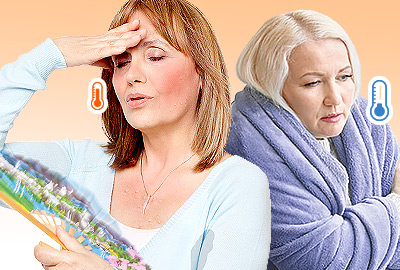
Hot flashes affect many women who are approaching menopause, and in some cases, the symptom can continue for the rest of their lives. However, they usually end when a woman is in her mid-50s, or during the year following her last period. It is important to remember that menopause isn't an illness, but a natural process and that its symptoms can be eased by adopting lifestyle changes.
Many pharmaceutical companies offer medications for hormonal imbalance, and some people believe them to be the best solution. However, this is not necessarily true, since these treatments can also come with a number of worrying side effects. Instead, it is advisable that women first take less risky approaches to treat menopause and hot flashes, using alternative medicine or lifestyle changes. Read on to find three such ways of helping hot flashes.
Three Approaches to Help Ease Hot Flashes
There are three main approaches to help ease hot flashes. These are: lifestyle changes, alternative medicine, and medications.
Lifestyle Changes
This is the level of treatment that is advisable to consider initially, as it come with the least side effects. Keeping positive thoughts will be of great help, as will carrying out the following adjustments:
Healthy eating
Eating a diet that is rich in lean protein and estrogenic foods such as soy, apples, alfalfa, cherries, and yams can help in your battle against hot flashes.
Exercise
Strength-oriented resistance training, at least once a week, and around 30 minutes of aerobic exercise a day will decrease the tension in your body and helps you to relax, keeping the body in peak health and helping to ease future hot flashes.
Stress
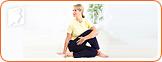
Techniques such as yoga and meditation can help release negative energy and promote mental and physical relaxation. It is important to consider this as a prevention technique for hot flash episodes.
Alternative Medicine
These alternative medicines involve little to no risk and are often suggested by health professionals as the best way to treat menopausal symptoms and hot flashes when combined with lifestyle changes. Herbal remedies and acupuncture have long been used as effective treatments for many problems associated with menopause.There are herbal supplements used for treating hot flashes and, these are:
Phytoestrogenic supplements
These supplements may be effective in balancing hormone levels, though are not without side effects. They add hormones to your body, therefore, the body is less able to produce its own estrogen.
Hormone-regulating supplements
Unlike phytoestrogenic herbs, these don't contain any estrogen, but instead they will help you nourish your endocrine glands, so it can produce its own natural hormones. This can help to rebalance hormone levels.
Doctors would agree that the best route to take for alleviating hot flashes is to combine an alternative medicine with lifestyle changes.
Medications
The last option is medication. Hormone replacement therapy (HRT) is usually the most common option. However, the Women's Health Initiative (WHI) showed that HRT treatments were strongly linked to higher rates of certain types of cancer. Taking such medications are an option for severe cases, however, this should always be discussed with your doctor.
Different approaches will be beneficial for different women. However, adopting healthy lifestyle changes, combined with the use of an herbal remedy is considered the best way to prevent and help hot flashes.
Sources
- Sikon, Andrea and Holly Thacker M.D. "Treatment for Menopausal Hot Flashes". Cleveland Clinic Journal of Medicine. July 2004: 71 (7).
- "Hot flashes ... in January". Canadian Medical Association Journal. 2004: 170 (1).
- Miller, Heather and Rose Maria Li, M.D. "Measuring Hot Flashes: Summary of a National Institutes of Health Workshop". Conference report. Mayo Clinic. June 2004: 79.