Menopause

I know what you are thinking, that exercise is the last thing you want to be doing when you are suffering from hot flashes. However, regular exercise and other methods of stress relief are proven to drastically reduce the number of hot flashes. Therefore, it can be beneficial to incorporate these into your lifestyle on a daily basis.
Exercise and meditation come highly recommended as stress relief methods, so follow these simple tips to ensure that your daily routine can make way for these important treatment techniques:
Exercise Regularly

Experts recommend that you participate in exercise daily. This doesn't have to be a vigorous workout, a short walk, run, swimming sessions, or bike ride will do the trick. Try to do at least 30-40 minutes of aerobic exercise a day. This will decrease the number of hot flashes you have because the hormones that are released after exercise leave the body in a calmer state.
De-stress
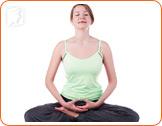
Consider taking up yoga or meditation.Consider taking up yoga or meditation. These will leave you feeling calm and at ease, and will stretch the muscles at the same time. Stress is the biggest trigger for hot flashes and needs to be treated directly.
Cool Down
Always allow your body to cool down after exercise. Hot flashes are occurring because of the imbalance of hormones, and exercise will alter your hormone pattern. Cooling down will allow your body to return to its normal level and will also mean that you are less likely to break out into a momentary period of intense heat.
Do it at the Right Time

Choose to exercise at a sensible time. Never exercise before you got to bed and try to leave a three hour gap between exercise and sleeping. Some people like to exercise before work but make sure you leave yourself enough time to get to work. Rushing because you are late will make you more stressed and your heat levels will rise making it more likely that you will suffer with a hot flash at the beginning of the day.
Keep Hydrated
This might seem obvious, but too many people aren't drinking the recommended about of water a day. You should be drinking eight to ten glasses of water and keeping your body happy. Try to consume fewer hot drinks and definitely avoid caffeine and alcohol.
Recommendation
Hot flashes vary dramatically in frequency and duration and each woman will have a very different experience with them. All will agree that when they do happen, they are a nuisance and are very uncomfortable. Try to make lifestyle changes that will reduce the number of episodes you have and life will become more enjoyable.
Sources
- "Hot flashes ... in January". Canadian Medical Association Journal. 2004: 170 (1).
- Miller, Heather and Rose Maria Li, M.D. "Measuring Hot Flashes: Summary of a National Institutes of Health Workshop". Conference report. Mayo Clinic. June 2004: 79.
- Sikon, Andrea and Holly Thacker M.D. "Treatment for Menopausal Hot Flashes". Cleveland Clinic Journal of Medicine. July 2004: 71 (7).