Menopause
One of the many symptoms of menopause is hair loss. Hair can become thinner, more brittle, and fall out in larger amounts, leaving bald patches in some cases. This is thought to be primarily due to hormonal imbalances.
Hormonal Reasons for Hair Loss in Women
There are a variety of hormones in your body, and each of them is affected differently by the menopausal transition.
Estrogen Levels
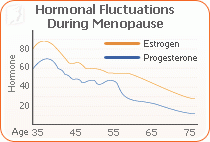
Low levels of estrogen during menopause, called estrogenic alopecia, can cause a natural thinning of the hair. Estrogen helps a woman's hair grow quickly and remain on the head longer before being shed -that's why pregnant women, who have higher estrogen levels, sport thicker, fuller heads of hair. But menopause causes a decline in estrogen levels, it becomes more difficult for hair to grow the same way it used to.
Androgen Levels
Rarer than estrogenic alopecia, androgenic alopecia, also called female pattern hair loss, can be caused by a variety of factors, such as a higher presence of male hormones (androgens) in a woman's body. A common cause of androgenic alopecia is a high presence of dihydro-testosterone (DHT).
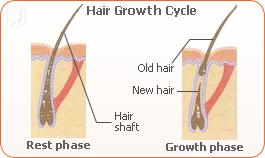
The presence of DHT is primarily attributed to genetic predisposition. For some women, any testosterone in their bodies that comes in contact with enzymes in the hair cell will be converted to DHT, which then binds to the hair follicle, initializing the hair's resting phase and causing it to fall out prematurely. Follicles attacked by DHT are often rendered too weak to support further hair growth, causing hair loss.
Other Reasons for Hair Loss in Women
There are a few other factors that may exacerbate hair loss during menopause.
Stress
Hair loss caused by stress is called telogen effluvium and can occur for a number of reasons relating to emotional or physical stress. Telogen effluvium sends large numbers of hairs into a resting phase, which causes them to fall out just few months later. Often, this is a temporary condition and lost hair will regrow when the stress dissappears.
Improper Nutrition
A common reason for hair loss in women of all ages is improper nutrition, especially a lack of iron and protein, which are essential for maintaining healthy hair growth.
Underlying Medical Conditions
Hair loss is often the first outward sign of a more serious medical condition, like diabetes or lupus. If you are experiencing hair loss, talk to your doctor to rule outthis possibility.
Hair Loss Solutions
Although no sweeping cure exists for hair loss, a number of treatments are available. During menopause, remedies such as non-estrogenic herbs are popular. Simple lifestyle changes can also have a huge impact. Click the following link to read more about hair loss.
Sources
- Dr. McNair, Trisha.(n.d). "Hair Loss".Retrieved from www.bbc.co.uk.
- Mayo Clinic.(n.d)."Hair Loss".Retrieved from www.mayoclinic.com.
- The American Hair Loss Association.(n.d)."Womens Hair Loss". Retrieved from www.americanhairloss.org.