Menopause
Menopause is a natural part of a woman's life, but the symptoms and physical changes that result can be disruptive. One common physical effect of menopause is increased hair loss. This is one of the more upsetting symptoms, given that it alters a woman's appearance and can affect her self-confidence. Increased hair loss in women is a complex problem and in order to deal with it successfully, women need to understand its causes. The information below explains increased hair loss in women and what can trigger it.
What Is Increased Hair Loss?
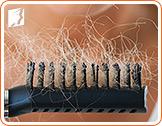
Increased hair loss, also known as alopecia, is when a woman loses more hair than usual. A typical hair grows approximately ¼ of an inch per month, and continues growing for a maximum of six years, at which point the hair falls out and another one grows in its place. Hair loss occurs when there isn't enough new hair being produced.
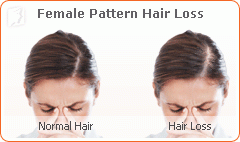
It may seem surprising, but all women experience some degree of hair loss or thinning at some point during their lifetime, and two-thirds of them will be significantly affected. However, increased hair loss does not result in complete baldness. Most women suffer hair thinning, which is a loss of hair density, but do not find themselves completely bald.
Increased hair loss can make a woman feel vulnerable and self-conscious. It's a good idea to be fully informed about why increased hair loss occurs so that you feel more in control of the problem.
What Causes Increased Hair Loss?
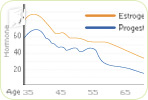
Menopause is a leading cause of increased hair loss later in life, and it can be especially difficult if accompanied by other uncomfortable menopause symptoms. Hair loss during menopause is caused by the fluctuating levels of estrogen that are typical of this stage. Also, estrogen imbalance impacts hormones such as progesterone and testosterone, and this can result in increased hair loss in menopausal women.
Testosterone regulates hair growth. The hormone dihidrotestosterone (DHT), which is derived from testosterone, is controlled in part by estrogen. When estrogen production goes down, it affects levels of DHT, which can be responsible for inhibiting the production of hair in certain areas, particularly the head. Aside from menopause, increased hair loss may happen for several other reasons, usually related to medical conditions. Below is a list of some of the most common causes:
- Pregnancy
- Thyroid disorders
- Pituitary problems
- Anemia
- Chemotherapy
- Scarlet fever
There are several remedies available that can help prevent increased hair loss in women. It's always a good idea to consult a medical professional for guidance when dealing with hair loss and other menopause symptoms.
For more information on hair loss and how to treat it, follow the links below.
Sources
- Dinh, Q.Q. & Sinclair, R. (2007). Female pattern hair loss: Current treatment concepts. Clinical Interventions in Aging, 2(2), 189-199. Retrieved from http://www.ncbi.nlm.nih.gov/pmc/articles/PMC2684510/
- National Health Service UK. (2015). Women and hair loss: coping tips. Retrieved January 27, 2016, from http://www.nhs.uk/livewell/hairloss/pages/womenandhairloss.aspx
- Riedel-Baima, B. & Riedel, A. (2008). Female pattern baldness may be triggered by low oestrogen to androgen ratio. Endocrine regulations, 42(1), 13-16. Retrieved from http://www.ncbi.nlm.nih.gov/pubmed/18333699