

Female Hair Loss
Female Hair Loss

Female Hair Loss

hair loss baldFemale hair loss commonly occurs in older women and usually presents itself in the form of thinning hair that results in complete or partial hair loss. Although men can suffer hair loss at any age after puberty, female hair loss at a younger age is much less common and can be very alarming. Menopause is one time in life when female hair loss can occur. Keep reading to learn more about the causes of and treatments for female hair loss.

What is female hair loss?

During their reproductive years women typically have around 100,000 hairs on their head. These hairs grow on average 1/4 of an inch every month and after 6 years the hair will fall out and another one will be produced by the hair follicles. Female hair loss occurs when the follicles fail to replace hair that falls out. Female hair loss occurs for several reasons, usually relating to other medical conditions. Below is a list of some of the most common causes:


Medical Causes

• Pregnancy
• Thyroid Disorders
• Pituitary Problems
• Anemia
• Chemotherapy
• Chronic Illness
• Scarlet Fever

Psychological Causes

• Anxiety
• Emotional stress
• Traumatic events
• Depression
• Eating Disorders

Lifestyle Triggers

• Excess vitamin A
• Lack of B, C vitamins
• Iron deficiency
• Lack of protein
• Lack of exercise
• Pulling or twisting hair

Read on to learn about the various causes on female hair loss.

What causes female hair loss?

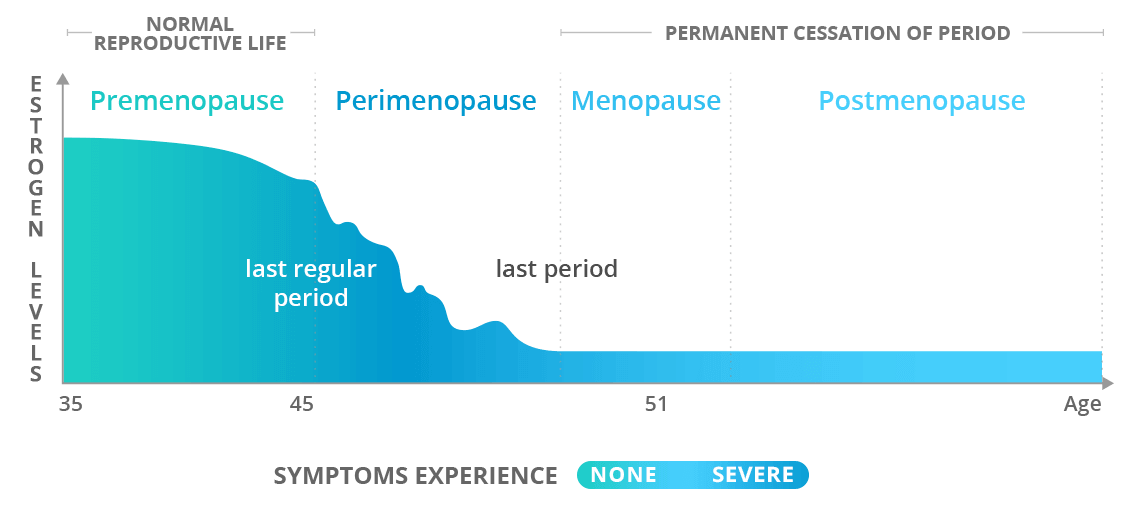
hair loss levelsMenopause is one of the most common causes of female hair loss in later life and it can be especially traumatic if accompanied by several other uncomfortable menopausal symptoms. Female hair loss during menopause is caused by wavering levels of estrogen in the body due to lower levels of eggs in the uterus. Such estrogen imbalance also impacts on other hormones in such as progesterone and testosterone, and this can result in female hair loss.

Testosterone regulates hair growth. With the imbalance of estrogen levels the DHT hormone (derived from testosterone) is in charge of under-producing hair in certain areas (particularly the head). Yet, even though DHT is produced by testosterone, it is controlled by estrogen. Keep reading to learn more about the available treatments for female hair loss.

Treatments for female hair loss

There are several available remedies for female hair loss and they should be used following a consultation with a medical professional.

Lifestyle Changes - Hormone imbalances are heavily influenced by an unhealthy lifestyle. If menopause is the cause of female hair loss then following a healthy diet and exercise regime may help to stabilize hormone levels. Stress and lack of sleep can also play a part in female hair loss. Controlling such factors may help to relieve other menopause symptoms as well.

Alternative therapies - There are a range of alternative therapies available in the form of herbal and natural supplements. Many of these are a natural and healthy means of balancing hormones and treating female hair loss.

Pharmaceuticals and Surgery - This option should only be considered as a last resort. However, drugs or surgery may prove to be an effective treatment for female hair loss along with other menopause symptoms.

Click this link to learn more about the treatments for female hair loss.

Read more about Hair Loss  

SOURCES: