Menopause
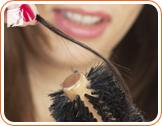
If you want to battle hair loss the natural way, you've got to get to the root of the problem. While it's worth mentioning that no amount of nutrients can reverse the power of genetics, it's also worth keeping in mind sometimes a nutrient-deficient diet can cause hair loss in menopause. Below are some of the healthiest foods you can consume to help your locks grow long and lovely.
Go Green
Vegetables in deep green shades boast a plethora of nutrients for the body, but vitamin A and vitamin C content in particular aid the production of sebum, which nourishes the scalp.
Pack in the Protein
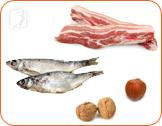
Fish, meat, and nuts are a great source of protein, one of the main components of hair. In addition, foods high in protein tend to offer a variety of other benefits. Nuts contain omega-3 fatty acids that act as a natural conditioner for your tresses. Iron, found in meats, can also help improve you hair health. Beware fatty meats, however, because they boost testosterone levels and speed up hair loss.
Believe in Beans
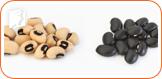
Whether kidney bean, lentils or soy, these little beans can make a big difference when it comes to hair health. They also provide loads of protein and the added benefits of iron, zinc and biotin—all nutrients for your hair follicles.
Do Dairy
Dairy products contain the calcium that your body needs to grow healthy hair. Low-fat dairy products, like yogurt or skim milk, are ideal.
Get Zinc
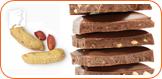
This wonder mineral aids hair growth in several ways. Zinc helps your body to absorb vitamin C, and it plays a critical role in the breakdown of proteins. These processes in turn keep the hair shaft strong and conditioned. Foods that contain zinc include chocolate, oysters, and peanuts.
More Information about Hair Loss during Menopause
The primary lifestyle-related causes of hair loss include deficiencies in iron, protein, and vitamin C. Click the following link to read more about hair loss treatments during menopause.
Sources
- Mayo Clinic.(n.d)."Hair Loss".Retrieved from www.mayoclinic.com.
- Dr. McNair, Trisha.(n.d)."Hair Loss". BBC Health.Retrieved from www.bbc.co.uk.
- he American Hair Loss Association.(n.d)."Womens Hair Loss".Retrieved from www.americanhairloss.org.