Menopause
Hair loss during menopause is endured by many, but not often commonly discussed. In addition to potentially causing a reduction in self-confidence hair loss can be an indication of more serious medical conditions. Fortunately, a variety of alternative medicines are available that can help prevent further hair loss in women while protecting the hair they still have.
The Facts
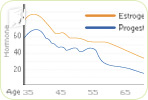
Many women report thinning hair during their menopause years and in more acute cases severe hair loss. Some factors that can contribute to hair loss in women during menopause are:
- Hormonal changes
- Genetics
- Poor diet
For women who experience hair loss, alternative medicines and treatments can help protect and defend their locks from further thinning.
Eating Right
Eating the right balance of vitamins and minerals is essential when it comes to treating hair loss, certain foods can even come to seem like medicines. Read on to discover which foods are essential in the battle against hair loss.
Iron and protein

Iron and protein deficiencies are not uncommon in women, especially those going through their childbearing years. But healthy levels of these nutrients are vital to hair health. Foods high in iron and protein include:
- Broccoli
- Tofu
- Beef
- Lentils
Omega-3 fatty acids
It's difficult to find someone today who hasn't heard about the health benefits of omega-3 fatty acids. They contribute to healthy brain function, combat heart disease, and they are also good for hair. Find them in:
- Salmon
- Soy
- Walnuts
- Flax seeds
Vitamin B
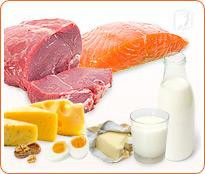
Vitamin B12 and biotin (also called vitamin B7) - are perhaps the most essential ingredients for preventing hair loss in women. Sources of vitamin B12 and biotin include:
- Salmon
- Beef
- Liver
- Dairy
- Cooked egg
- Nuts
Alternative Medicine: Herbal Supplements
Introducing a herbal supplement into the body is often essential for women who want to combat hair loss, and haven't seen much improvement through diet modifications.
Phytoestrogenic supplements
These herbs help combat hair loss in women during menopause by targeting the hormonal causes. By introducing estrogen into a woman's body to help balance a hormone levels, phytoestrogenic herbs help prevent future hair loss and even promote hair growth. These types of herbal medicines, however, will eventually cause a woman's body to become less capable of producing estrogen, which can lead to an overall decrease in hormone levels.
Hormone-regulating supplements
These supplements don't contain estrogen. Rather, hormone-regulating supplements stimulate the body's own natural hormone production, thereby balancing hormone levels and helping control hair loss and promote hair growth.
Recommendation
Please talk to a trusted doctor to learn more about how alternative medicines for hair loss, which can promote hair growth and help soothe other symptoms of menopause.
Sources
- Mayo Clinic.(n.d)."Hair Loss". Retrieved from www.mayoclinic.com.
- Dr. McNair, Trisha.(n.d) "Hair Loss". BBC Health. Retrieved from www.bbc.co.uk.
- The American Hair Loss Association.(n.d). "Womens Hair Loss".Retrieved from www.americanhairloss.org.