


Exercise tips to help combat fatigue
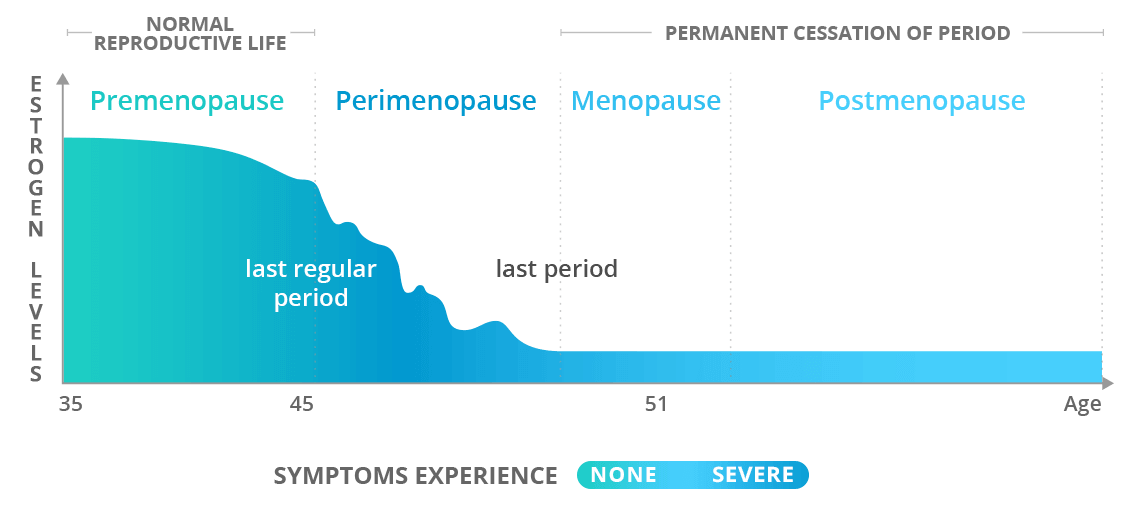
Fatigue is an exceedingly common symptom of menopause, reportedly affecting 80% of women when they go through “the change.” Caused by the hormonal imbalance, fatigue is a symptom that can impact a woman’s life hugely, and can often make the menopausal transition even more difficult to cope with. It is a condition that means a person has a severe lack of energy and feels an ongoing sense of weakness and tiredness, and shouldn’t be confused with drowsiness which implies an actual urge to sleep. Therefore the key to combating menopausal fatigue, as well as improving the hormonal balance, is to boost energy levels so that tiredness is reduced.
5 exercise tips to help reduce your fatigue:
People are too quick to think that exercise will leave you feeling too worn out to do anything but sleep and that it will be a counterproductive method for fighting fatigue, but scientific research has proven this theory is wrong. Follow these simple exercise tips and you will alleviate the constant feelings of fatigue:
Do it regularly
It is important that you keep your energy levels high each day. This will mean that you are tired less frequently and you will find it easier and less daunting to complete simple tasks/chores. Try to exercise for at least 30 minutes a day but don’t overdo it because this will defeat its purpose. Circulation-stimulation will keep you energized and mentally alert.
Fit it into your normal routine.
Suffering with fatigue can make each day a struggle so it is important that you have a set routine. Try to fit your exercise into your normal, everyday lifestyle, instead of cutting down on sleep. Walk or cycle to work, go for a swim at the weekend or take a jog in the evening.
Aerobic not anaerobic
Aerobic respiration means that energy is made using oxygen and is usually done so in during a slow-paced form of exercise. Anaerobic respiration means that energy is made in the absence of energy and is done so during a fast and short interval of exercise. It is vital that any exercise you do is aerobic rather than anaerobic. This includes walking, jogging, swimming, cycling or dancing. Avoid all forms of exercise like sprinting, or intense aerobic classes. They will leave you feeling more tired.
Stress relief techniques.
Being stressed only adds to your fatigue so make sure you participate in stress reducing techniques. Take up a yoga class or meditation, as well as doing daily breathing exercises and/or stretching of the muscles. You will notice that your fatigue effects will be minimized.
Keep hydrated.
This is essential for anybody who partakes in exercise, but will benefit someone suffering from fatigue even further, because dehydration is a major factor that contributes to this menopausal symptom. Drink eight to ten eight-oz glasses of water a day and always have some on hand when you are exercising.
More information about Fatigue
If you suffer from prolonged periods of tiredness, weakness, and general lack of energy, then be pro-active and change some of your lifestyle options. Fatigue doesn’t have to have a negative influence on your life. There are ways to drastically reduce its tiring effects. Follow this link to find out more about the causes and how to combat fatigue.
To learn more about Fatigue

Other Related Articles:
Foods to fight fatigue during the menopause
Will beans help you fight fatigue?
How caffeine exacerbates fatigue during menopause