Menopause
It is common to feel fatigued or exhausted throughout the day. If this is happening constantly or lowering the quality of life, it may be a good idea to see a doctor. A doctor will be able to give you more specific advice and diagnose any underlying medical conditions. Your diet impacts almost every aspect and function of your body, so what you eat and drink can definitely impact how fatigued you feel.
Swap Caffeine for Herbal Tea

Coffee or any caffeine-based energy drink might seem like a good idea when you are finding it difficult to muster the energy to get dressed in the morning. However, caffeine creates a sharp increase in alertness and energy levels, it also causes an eventual decrease in alertness and energy levels. Drinking an alternative that contains low or no caffeine can be good for your energy levels in the long run.
Get More Iron

Almost half of all women do not get enough iron. Not getting enough iron can make a person feel tired and weak. Getting enough iron is especially important in women who experience heavier menstrual flows, because this causes more iron loss. Good sources of iron include:
- Red meat
- Liver
- Beans
- Nuts
- Dried fruit
- Whole grain
- Soybean flour
- Dark green leafy vegetables
- Iron-fortified foods such as some breakfast cereals
Eat More Cruciferous Vegetables

Cruciferous vegetables contain a compound that helps your cells give your body more energy. This can help to reduce feelings of fatigue. Cruciferous vegetables are also backed with lots of nutrients and vegetables, so you can't go wrong cooking one of them with dinner. Experts recommend getting three servings of cruciferous vegetables each week. Cruciferous vegetables include broccoli cabbage, brussels sprouts, cauliflower, kale, bok choy, and other green leafy vegetables.
Cut Down on Saturated Fats
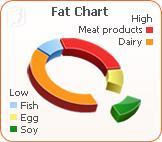
Oils, dairy and animal meats all contain high proportions of saturated fats. Despite these products making up a balanced diet and therefore being essential, it is important you don't go over the recommended daily intake of 14 to 20 grams. Try to substitute these products with more fish, eggs and beans which are high in protein.
Avoid Processed Foods

Although processed meals may be tempting because they are convenient, delicious, and easy, they can worsen fatigue and are bad for your overall health. Fast food, canned foods and takeout meals should only be eaten only occasionally.
Recommendations
Living a healthy lifestyle with a balanced diet can help to minimize fatigue. Cutting out foods that sap your energy, such as processed foods and saturated fats can go a long way to increasing energy levels. Adding leafy vegetables and iron rich foods to your diet will also be beneficial. Find out more about other causes of fatigue.
Sources
- National Health Service. (2015). The Energy Diet. Retrieved December 03, 2015, from http://www.nhs.uk/Livewell/tiredness-and-fatigue/Pages/energy-diet.aspx
- National Health Service. (2008). Iron. Retrieved December 3, 2015, from http://www.nhs.uk/Conditions/vitamins-minerals/Pages/Iron.aspx
- Dworkin-McDaniel, N. (2013, September 19). 5 Ways a Healthy Diet is making you Tired. CNN. Retrieved on December 3, 2015 from http://edition.cnn.com/2013/09/19/health/tired-dragging-diet-change/