Menopause
Experiencing digestive problems during perimenopause is a very common complaint. But what causes these uncomfortable sensations? Read on to discover more about menopause digestive problems, the effect that hormones have on your gastrointestinal system, and what you can do for ultimate relief.
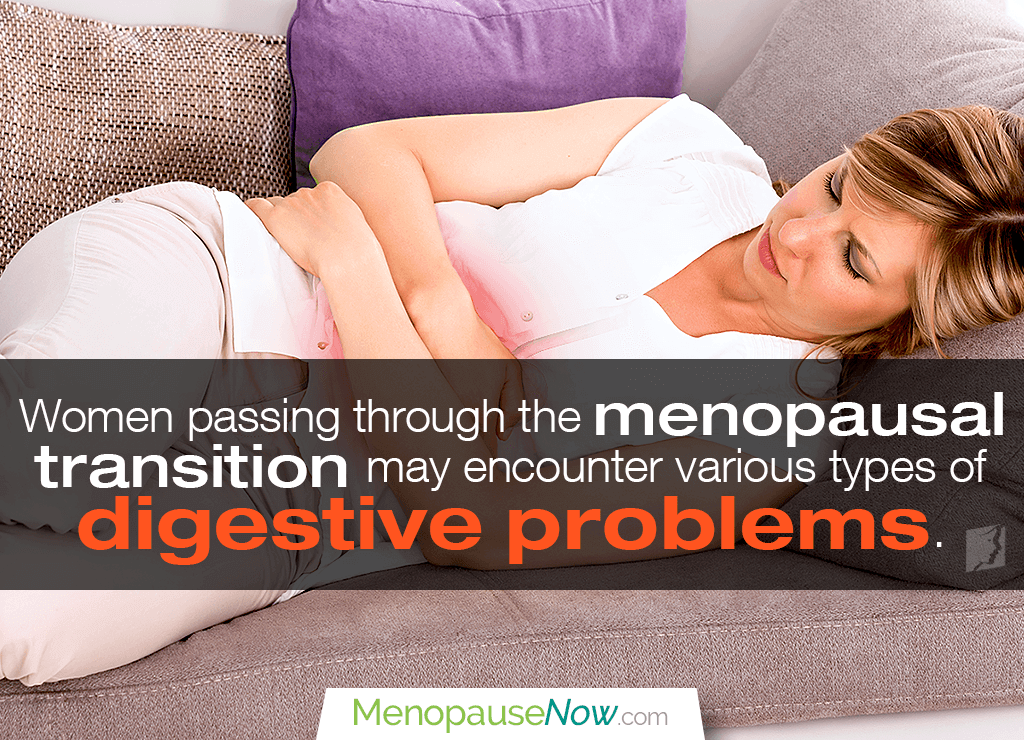
What Types of Digestive Problems Might I Encounter?
The digestive system is a vital part of the body as it plays a significant role in the operation and maintenance of the body's mechanisms.
Women passing through the menopausal transition may encounter some form of upset in their esophagus, stomach, or intestines that can provoke bloating, constipation, diarrhea, acid reflux, irritable bowel syndrome (IBS), and more. Severity will vary from woman to woman.
What Causes Them during Menopause?
Menopause digestive problems can be triggered by a variety of factors, but the most common cause is hormonal imbalance.
When a woman's body winds down reproductive functions, levels of estrogen and progesterone decrease. These sex hormones have been found to regulate and influence the gastrointestinal tract.1 As such, when levels begin to fluctuate, this negatively affects healthy digestive functioning.
In addition to hormone imbalance, menopause stomach issues can be triggered by other factors, including stress, a poor diet, certain medications, bad eating habits, and excessive consumption of nicotine or alcohol.
What Can I Do to Avoid Digestive Problems?
When trying to treat digestive problems during menopause, it is wise to begin with the least invasive options.
As such, lifestyle changes that can optimize functioning of your gastrointestinal system include:
- Making sure you are exercising, which has been shown to help with occasional gas or bloating in those not stricken with IBS.2
- Eating high-fiber foods, which can help prevent bloating, constipation, and other digestive problems by normalizing bowel movements.
- Chewing food slowly and thoroughly to ease the digestion process.
- Drinking plenty of water for hydration, softer stools, and overall better digestion
Recommendations
Don't let digestive problems impact your life. By making simple lifestyle changes, you can coax your gastrointestinal system to operate more efficiently and effectively during these transformative years. Learn more about treatments for digestive problems.
Sources
- Cleveland Clinic. (2016). Gastrointestinal Disorders. Retrieved November 21, 2019, from https://my.clevelandclinic.org/health/articles/7040-gastrointestinal-disorders
- Mayo Clinic. (2018). Dietary fiber: Essential for a healthy diet. Retrieved November 21, 2019, from https://www.mayoclinic.org/healthy-lifestyle/nutrition-and-healthy-eating/in-depth/fiber/art-20043983
Footnotes:
- Mulak, A. et al. Sex hormones in the modulation of irritable bowel syndrome. World Journal of Gastroenterology, 20(10), 2433-2448. doi: 10.3748/wjg.v20.i10.2433
- Gastrointestinal Society. (n.d.). Physical Activity and GI Health. Retrieved November 21, 2019, from https://badgut.org/information-centre/a-z-digestive-topics/physical-activity-and-gi-health/