Menopause
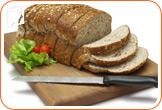
Eating a balanced diet is one of the best ways to positively impact your overall health, including managing menopause symptoms. In order to best manage your symptoms, it is essential to choose foods high in necessary nutrients, such as fiber. Choosing foods that have whole grains is one of the most efficient ways to add fiber to your diet. But looking at the shelf in the grocery store, you see so many products marketed as “whole grain”, “multigrain” and “whole wheat”.
There are critical differences in these foods that can make or break your fiber intake goals. Read on to learn about the differences among these three types of grain.
Looks Can Be Deceiving
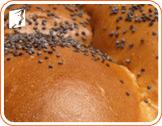
Before you even begin to read the labels, it's critical to expose the myths about the appearance and texture of foods that claim to be fiber-packed. In the bread aisle, for example, you may see rows and rows of brown loaves coated in grains and seeds that look like “healthy” breads. However, wheat bread and white bread actually look the same — until manufacturers add a caramel color and sprinkle them with oats to make them look like they contain lots of roughage when they actually don't.
What Should I Look for?
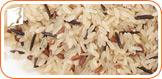
Look for whole grain products, which contain the most fiber. But don't just trust the packaging; read the ingredients label. If one of the top ingredients is whole oats, rolled oats, whole wheat, corn, quinoa, cracked wheat, brown rice, or wild rice, it's a whole grain product.
What Is a Whole Grain?

Whole grain foods are made with the entire kernel— germ, bran, and all. Some examples of foods that can be made with whole grains are oatmeal, pasta, and bread. But be careful when grocery shopping because not all manufacturers of these foods make a whole grain version.
What's “Multigrain” and “100% Wheat”? Do They Count?
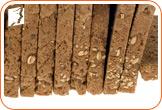
These types of products are not whole wheat, which is what you need to increase your daily fiber. Multigrain, for instance, means that multiple types of grains were used to make the product, but those grains weren't necessarily whole grains. The label 100% wheat is used for foods in which wheat is the only grain. However, there is no way to tell if it is whole wheat.
Also beware of foods advertised to have pumpernickel and stone ground flower. They don't usually contain whole grain, either.
More Information about Fiber
Fiber can be used to combat several symptoms of menopause, including digestive problems and weight gain.
Sources
- Aim for Health.(n.d)."Digestive Problems." Retrieved from www.aim4health.com
- Edwards, Dr. Charmaine. "Digestive disorders are more prevalent in women." North County Journal. http://northcountyjournal.stltoday.com.
- Shin, Fukudo. "Role of corticotropin-releasing hormone in irritable bowel syndrome and intestinal inflammation." Journal of Gastroenterology. 2007. Tokyo, Japan.