


Q&A: Why am I finding it hard to concentrate during menopause?
Are you finding it hard to concentrate now that you have entered the testing transitional period between reproductive and non-reproductive? Has “the change” suddenly caused your concentration levels to decrease unexpectedly? Worry not, a lapse in concentration levels is normal during menopause and there can be a number of reasonable explanations for it. Read on to have your questions about this menopausal symptom answered.
Why am I having difficulty concentrating?
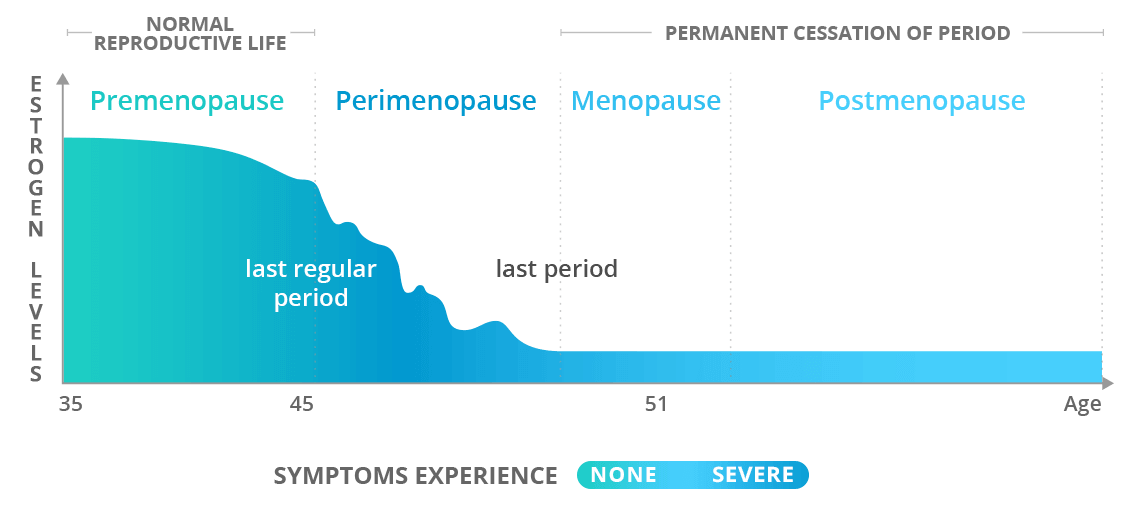
The general consensus is that, the majority of the time, it is the imbalance of hormones that causes your concentration levels to decrease unexpectedly. There are other reasons too but this is likely to be the main cause for most sufferers. During menopause, the levels of estrogen in the body are severely disrupted because the ovaries are preparing for the drastic change within the body and therefore production of this hormone fluctuates. Estrogen plays a key role in the function of the brain, as well as the regulation of the sexual reproductive system, so when this hormone becomes imbalanced it can affect everyday performance.
In the brain there are a number of neurotransmitters which regulate cognitive functioning which includes concentration skills. Estrogen affects the production of these neurotransmitters and therefore a shortage of estrogen can lead to a decrease in cognitive function. As well as estrogen being vital for the production of the neurotransmitters, it also helps to control blood flow to the brain; another reason why concentration levels might be poor during menopause.
Other causes of difficulty concentrating include Alzheimer’s disease, alcoholism, stress, anxiety, fatigue, and some medications, although these reasons are less common. You should see your doctor if you are concerned about your concentration levels.
What are the common symptoms of a lack of concentration?
Certain factors will trigger a headache or contribute to them even further. If you suffer with headaches frequently then you should try to avoid any of the following so that their severity is lessened. These include excessive amounts of alcohol or caffeine (although a quick withdrawal from these might also trigger headaches), a lack of sleep or too much, skipping meals or fasting, bright lights, loud noises or strong odors, and any emotional disorder like stress or anxiety. It is also advisable that you avoid, or cut down on, foods that contain high amounts of nitrates (hot dogs, lunch meats), MSG (fast food, Asian food, seasonings) and Tyramine (aged cheese, soy products, smoked fish, fava beans).
How can I tackle this problem?
Avoiding or controlling estrogen levels is key for regaining your concentration levels and fortunately there are ways to do this. Making changes to your lifestyle should be the first step you take. Try to get at least 30 minutes of exercise a day. Regular exercise can keep the mind sharp and keep hormone levels at bay. Try to cut down your caffeine and alcohol intake because they both encourage artificial highs which don’t improve your concentration levels on a long-term basis. You should also exercise your brain as regularly as you can and keep it mentally active. If your brain isn’t stimulated then your attention span suffers. You could try to do more Sudoku puzzles or crosswords, particularly during breaks in your work day. Ensure you eat a well balanced diet because this will promote hormone balance. Finally, make time to de-stress if you need to because stress hormones will only decrease estrogen levels even further and make your concentration even worse. Only after trying these lifestyle changes should you consider alternative medications and treatments. See your doctor for the appropriate advice.
Recommendation
A lack of concentration can be disruptive to your lifestyle and extremely frustrating if it comes about so suddenly, but there are treatments for it so look at it as a temporary problem. Exercise your body and exercise your mind and notice the difference. Get further advice from your doctor if you want to explore alternatives to lifestyle changes. Follow this link for more information on these treatment methods of difficulty concentrating.
Other Related Articles:
How to Recognize a Lack of Concentration due to Menopause