Menopause
Depression is a serious mental disease that is characterized by the persistent, overpowering feelings of sadness, hopelessness, and apathy. It can also include intense feelings of anger, disgust, anxiety, guilt, and frustration.
Clinical depression is different from mood swings. Depression can have both physical and psychological symptoms that include chronic feelings of sadness and hopelessness, low self-esteem, lack of energy and motivation, and not enjoying life. There are many treatments for depression out there. This article will highlight the best natural remedies for depression and compare them to other treatments.
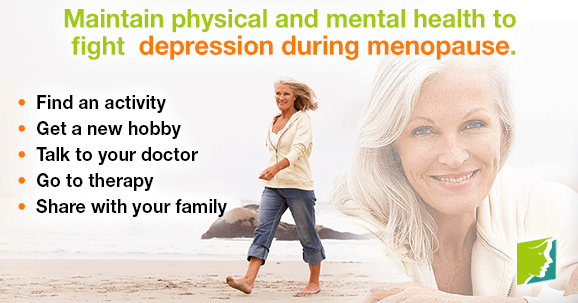
Depression and Menopause
Many women experience life changes as they progress through menopause, such as children moving away from home, divorce, job changes, and other problems, which may cause depression. Emotional symptoms of depression include thoughts of suicide, irritability, loss of interest in hobbies, and feelings of helplessness, guilt, and worry.
Natural Remedies
Natural remedies may be helpful for treating mild depression. These include:
Yoga
Studies suggest that yoga can reduce the impact of excessive stress and may be helpful for treating depression. By reducing stress and anxiety, yoga appears to lessen stress response systems.
Exercise
Exercising regularly releases serotonin and endorphins in the brain, which promote good feelings. Exercising also offers other health benefits, such as lifting mood, improving sleep quality, increasing energy, and reducing stress. The general recommendation is to get at least 30 minutes of aerobic exercise at least five times a week.
Find a hobby
Find a creative outlet or new hobby that prompts a sense of achievement, such as taking art classes, learning a new language or instrument, or taking up a sport.
Herbal remedies
There are certain herbs that have been used to help reduce depression symptoms. St. John's wort is widely used for treating depression. Kava root is also known to help ease anxiety symptoms by promoting relaxation and easing tension. It's important to talk with a physician about herbal remedies before taking any.
Support groups
Knowing you are not alone is a big part of fighting depression. Going to support groups can be very beneficial because you meet people that are going through similar things, and they can offer helpful advice. Also, strengthen emotional connections with your family and community. Talk about how you feel with someone you can trust, such as a close friend or family member, partner, therapist, or religious leader. It's also important to talk to your doctor about taking prescription medicine or other treatments.
Depression affects nearly 10% of American adults on average. Unlike the occasional sad mood, depression is a constant psychological state that can interfere with daily life. In combating depression, it is necessary to eat healthy and exercise regularly. Natural supplements are also available. It is important to consider all of the different treatment options out there in order to find which one (or combination) works best given your symptoms.
Sources
- Harvard Health Publications. (2009). Yoga for anxiety and depression. Retrieved November 24, 2014, from http://www.health.harvard.edu/newsletters/Harvard_Mental_Health_Letter/2009/April/Yoga-for-anxiety-and-depression
- National Health Service UK. (2014). Treating clinical depression. Retrieved November 24, 2014, from http://www.nhs.uk/Conditions/Depression/Pages/Treatment.aspx
- National Institute of Mental Health. (n.d.). What Is Depression? Retrieved November 24, 2014, from https://www.nimh.nih.gov/health/topics/depression/index.shtml