Menopause
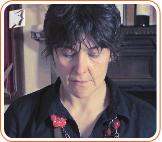
Unfortunately, it is common to experience depression during menopause. Whilst the exact cause can be difficult to pin down, women are more susceptible to depression during menopause because of fluctuating hormone levels. Depression is a serious illness, but there are a range of treatments available.
What Are My Options for Treating Menopausal Depression?
Before any definitive treatment is prescribed, your doctor will try to determine the trigger or cause for your depression, whether it be because of menopause, thyroid disorders, or any number of other conditions.
What Exactly is Depression? Why Does Menopause Make it Worse?
Depression is a disorder caused by both environmental and biological factors. Hormones in the brain (serotonin in particular) regulating mood are in flux during menopause.This causes serotonin levels to drop and can lead to episodes of depression. Depression is characterized by intense sadness, which if suffered long term, can lead to a variety of physical ailments along with thoughts of suicide.
Depression during menopause is treated the same way as any other time. However, there is a growing body of evidence suggesting that estrogen replacement can provide relief of minor physical and emotional symptoms, as well as prevent osteoporosis. Yet hormone replacement therapy has been linked with a slight increase in the risk of developing breast cancer and blood clots. Many women opt to try alternative, natural means of treatment as an initial approach. Such options for treating depression during menopause include:
Alternative medicine
There has been rising interest in the use of herbs and dietary supplements for the treatment of depression. Keep in mind that there dosage and types of ingredients will vary between products, because they are not fully regulated by the FDA.
Support

It is very important that you talk about your problems and ask for help when you need it.
Exercise
The benefits of exercise in alleviating depression are well documented. Exercise helps treat depression by releasing the body's mood-elevating compounds, reducing the depression hormone cortisol. It encourages feelings of accomplishment, enhances self-esteem, and increases levels of serotonin.
Stress management
Depression is made worse by stress. Make an active effort to practice techniques and activities which help alleviate stress.
Get more sleep

Inadequate levels of sleep can make depression worse. Keep your sleep cycle regular by going to bed and waking around the same time. Bedtime rituals such as reading or a warm bath can also help.
Dietary changes
Eating a well balanced diet and regularly scheduled meals are important in controlling depression. Decreasing intake of refined sugar, caffeine, alcohol, and chocolate may also help.
More information on some of the available treatments for menopause depression.
Sources
- University Health Services.(n.d)."Clinical Depression".Retrieved from www.uhs.berkeley.edu
- University of Michigan Depression Center.(n.d)."Women and Depression: Menopause".Retrieved from www.med.umich.edu.