 Menopause
Did You Know?
Bloating can be one of the adverse side effects of hormone replacement therapy (HRT).
While not typically thought of as being associated with menopause, bloating is one of the most frequently experienced symptoms. This is closely related to an increase in intestinal gas and fluid retention caused by fluctuating hormones, and may also be associated with weight gain. A symptom commonly associated with the menstrual cycle, women who have dealt with bloating in the past during PMS will likely recognize this symptom as a part of menopause.
Read on to learn more about bloating, its causes, and the treatment options available for managing symptoms.
About Bloating
Definition
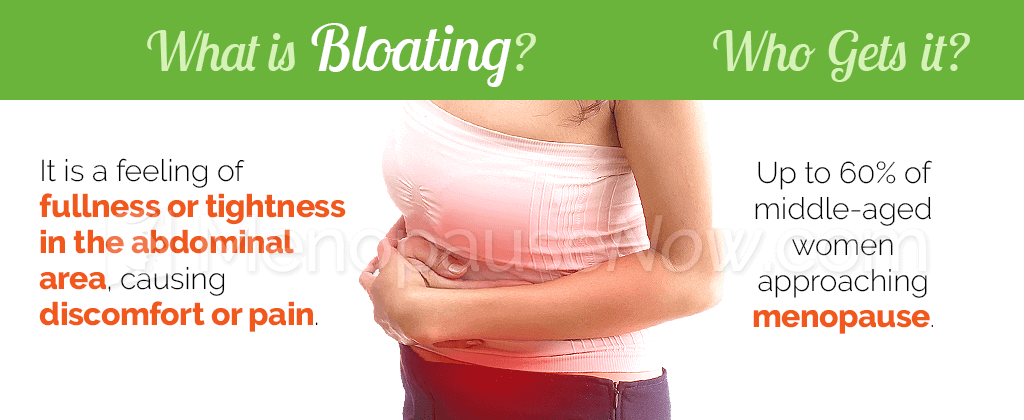
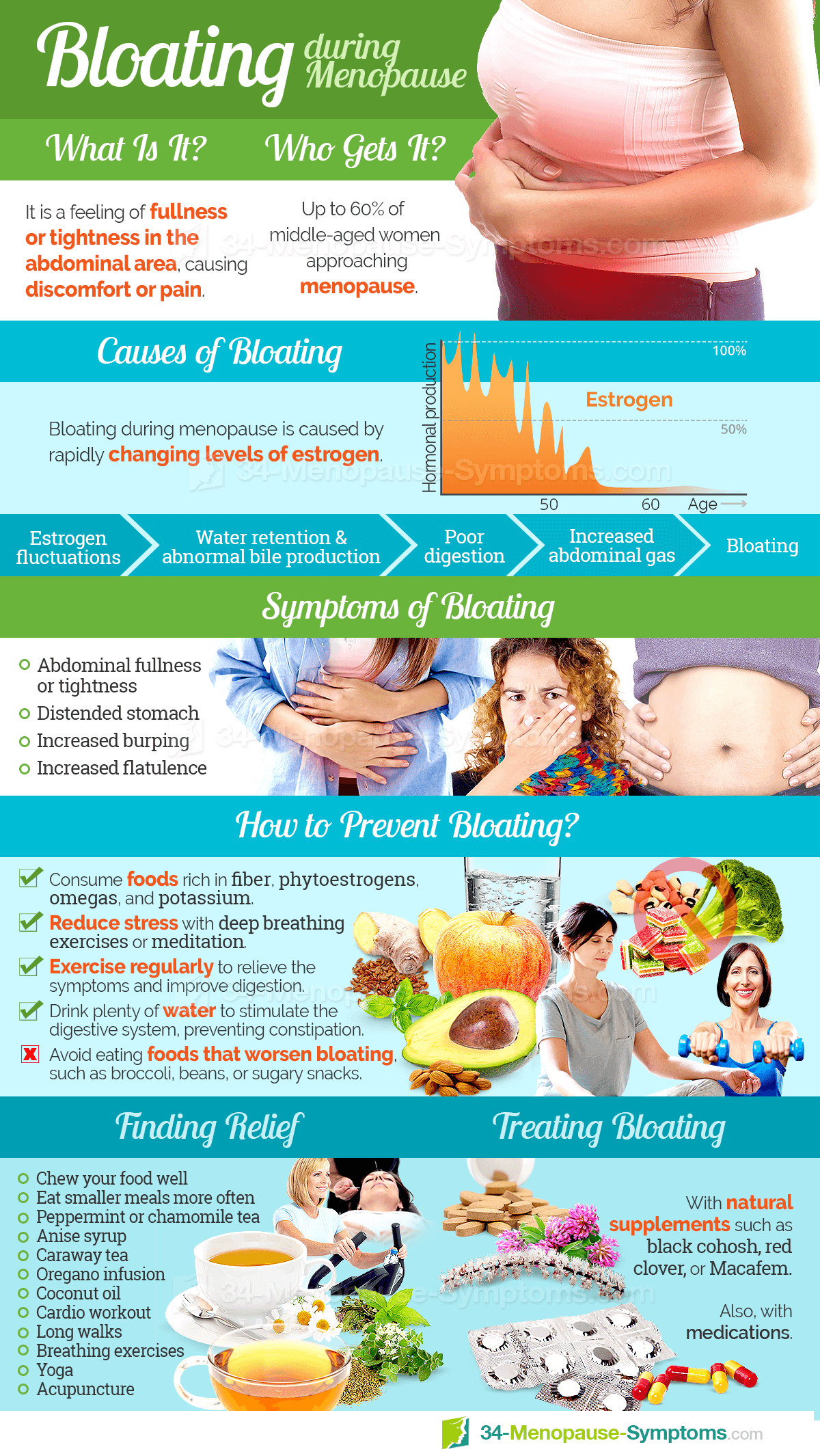
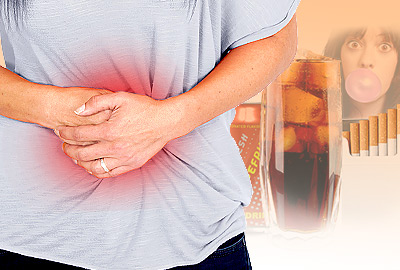
Bloating - defined as a feeling of fullness or tightness in the abdominal area that can lead to a certain degree of discomfort or pain - is mainly experienced during the menopausal transition as a result of either water retention, increased intestinal gas, or a combination of both.
The duration and intensity will vary for each woman, with some women experiencing bloating for a few days and then not again for a year, or possibly for several months at a time. A woman can wake up with a flat stomach and then have her stomach distend progressively throughout the day, or the bloating may appear within a matter of minutes and be aggravated by eating.
Symptoms of bloating
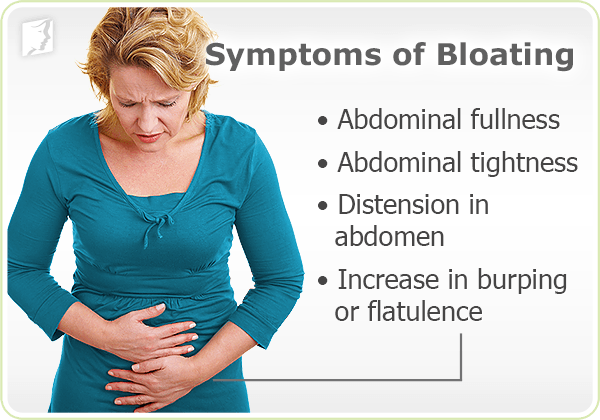
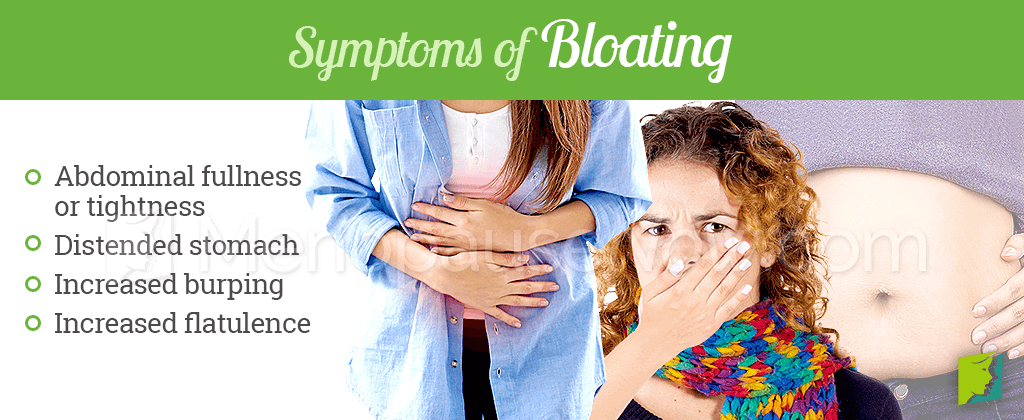
As bloating can vary in duration and intensity, so too can the symptoms vary among menopausal women. The image to the right shows which are the most commonly experienced symptoms of bloating.
It is important to understand why bloating happens so frequently among women of menopausal age in order to better understand this symptom. Keep reading to learn more about the causes of bloating.

Causes of Bloating
Hormonal causes
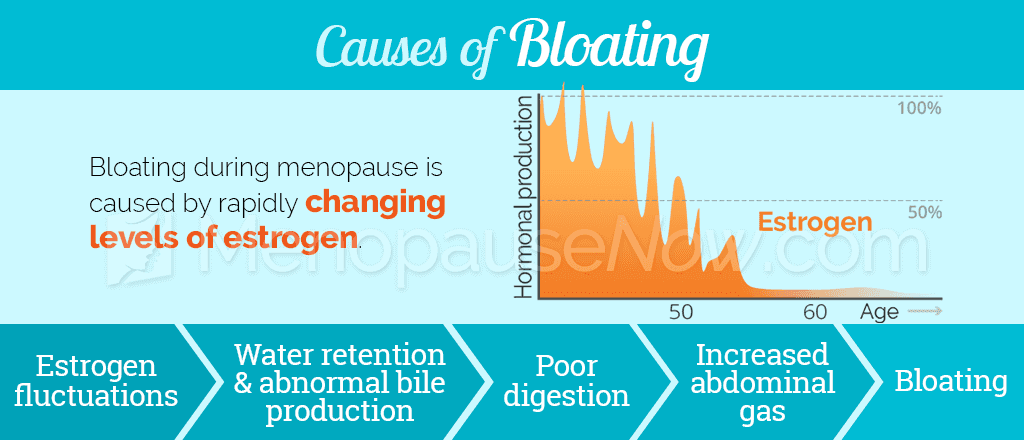
While bloating can occur as a result of such factors as diet or stress, the most likely cause for menopausal women is a fluctuation in hormone levels, particularly estrogen. Estrogen is important for two reasons. First, it has an effect on the retention of water that occurs naturally as part of a woman's menstrual cycle. Women tend to retain more in the days leading up to menstruation as a result of the rising estrogen levels. When estrogen levels become erratic during perimenopause, so does the incidence of water retention, leading to bloating.
In addition, estrogen influences the production of bile, a substance produced in the liver and stored in the gallbladder that aids in the digestion of fats. When fats are not as thoroughly digested, bloating can result.
In addition to the important role of estrogen in abdominal bloating, there are other causes that may influence digestion.
Other causes
Aside from water retention and decreased bile production, the other most common cause of bloating is the prominence of intestinal gas. Anywhere from 30 - 60% of menopausal women report an increase in gas during this time period, leading researchers to believe that hormonal fluctuations also play a role in the production of gas.
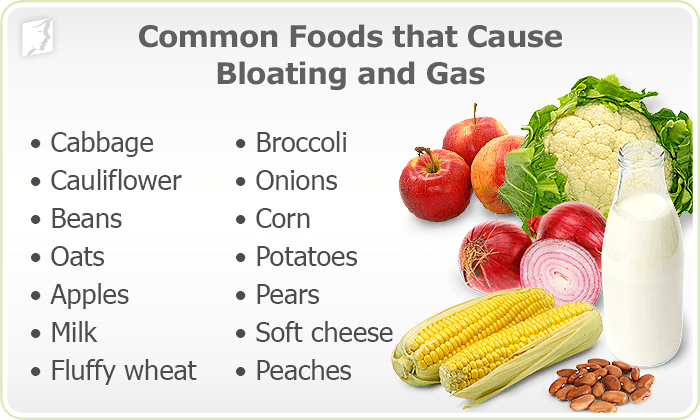
Intestinal gas can also be caused by changes in diet, irritable bowel syndrome, swallowing air, carbonated beverages, or lactose intolerance.
Other factors that less commonly induce bloating in women include abdominal surgery, obesity, weakened abdominal muscles due to pregnancy, or other rarer medical conditions including gallstones, diabetes, or kidney disease.
To learn more about the treatment options available to relieve bloating, read below.
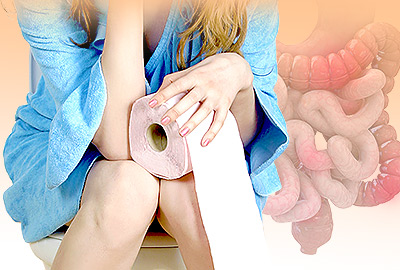

Bloating Treatments
Did You Know?
Bananas, grapes, eggs, rice, peanut butter, fruit juices, herbal teas, yogurt, and hard cheese can help reduce gas and fight bloating.
Fortunately, there are many treatment options that can target bloating. It is generally recommended that women begin with the least invasive option, which would be lifestyle changes. Particularly if the bloating is caused by excessive intestinal gas, some dietary changes can be extremely beneficial. Cutting out dairy products, sodium, and trigger foods such as onions, beans, and sugary snacks can negate instances of bloating. Stress reduction techniques such as yoga or meditation can also help.
While lifestyle changes can positively impact symptoms, they are the most difficult to implement. Also, because bloating in menopausal women is primarily caused by fluctuating estrogen levels, it is best to treat the problem directly at the source. Several natural and alternative remedies exist that can address this imbalance. Most of the time, this is the safest, easiest, and most effective way to fight bloating.

In the drastic case of bloating becoming prolonged or painful, or if a woman is experiencing other disturbing symptoms, consulting a trusted medical professional is recommended. While there are pharmaceutical options to curb bloating, these are serious potential side effects involved with these treatments.
Most experts recommend that women who suffer from bloating and wish to treat it begin with lifestyle changes, then move onto alternative medicine, and finally, look to medications if nothing else seems to work. Click on the following link to learn specific treatments for bloating in these three categories.




Sources
- Heitkemper, M.M. & Chang, L. (2009). Do Fluctuations in Ovarian Hormones Affect Gastrointestinal Symptoms in Women With Irritable Bowel Syndrome? Gender Medicine, 6(Suppl 2), 152-167. doi: 10.1016/j.genm.2009.03.004
- Office on Women's Health. (2012). Menopause and menopause treatments fact sheet. Retrieved April 26, 2016, from http://www.womenshealth.gov/publications/our-publications/fact-sheet/menopause-treatment.html
- Stachenfeld, N.S. (2008). Sex Hormone Effects on Body Fluid Regulation. Exercise and Sports Science Reviews, 36(3), 152-159. doi: 10.1097/JES.0b013e31817be928