Menopause
Have you ever noticed how sluggish you feel after devouring a big hamburger and drinking the accompanying large soda? You have likely realized that there is a direct correlation between what you eat and how you feel. Not only are the effects almost immediately noticeable, but they continue in the long run, affecting things like weight and blood pressure.

Not only connected to food, there is a relationship menopausal symptoms and anxiety. When you enter menopause, your estrogen levels may fluctuate greatly, and as a result, your emotional state may often feel unstable. The hormone estrogen controls many processes in your body, and if your body isn't making enough of it, these processes may suffer. One of estrogen's functions is regulating mood. If you are lacking in this hormone, you may feel a sense of uneasiness or anxiety.
There are several ways to balance hormone levels, and one of the least invasive is implementing lifestyle changes like regular exercise and a healthy diet. Below you will find some suggested foods that are thought to help decrease anxiety levels.
Food for Positive Mental Health
Peaches

A satisfying alternative to a processed and sugar-filled dessert, peaches are sweet and rich in essential vitamins.
Acai berries
These exotic fruits are rich in antioxidants. They are also ideal for maintaining a stable blood sugar level, as some people feel anxious if blood sugar becomes imbalanced.
Wholegrain foods
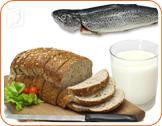
Such products are complex carbohydrates, which can help your body produce serotonin, a neurotransmitter that makes you feel good.
Omega-3 fatty acids
These can be found in foods like salmon and walnuts. This essential fat is known to promote not only balanced mood, but also cardiovascular health and cognition.
Milk
Milk contains tryptophan, which promotes relaxation. It's also known to induce sleep, which can be helpful if your anxiety stems from poor sleeping habits.
Recommendations
Eating the correct foods is as important as staying away from the wrong ones, which may be difficult if you regularly find yourself reaching for unhealthy "comfort foods." Try to eliminate fried, processed, and sugar-filled foods from your daily diet. It's okay to indulge every once in a while, but remember that being healthy feels so much better than junk food tastes.
For more information on anxiety and how to treat it, follow the links below.
Sources
- Bromberger, J.T. et al. (2013). Does Risk for Anxiety Increase During the Menopausal Transition? Study of Women's Health Across the Nation (SWAN). Menopause, 20(5), 488-495. doi: 10.1097/GME.0b013e3182730599
- Rao, T.S. et al. (2008). Understanding nutrition, depression and mental illnesses. Indian Journal of Psychiatry, 50(2), 77-82. doi: 10.4103/0019-5545.42391